



Restoring Utah’s Historic Homes: A Guide to Authentic Masonry
Utah’s historic homes carry a distinct architectural character shaped by regional stone, early craftsmanship, and centuries of environmental exposur

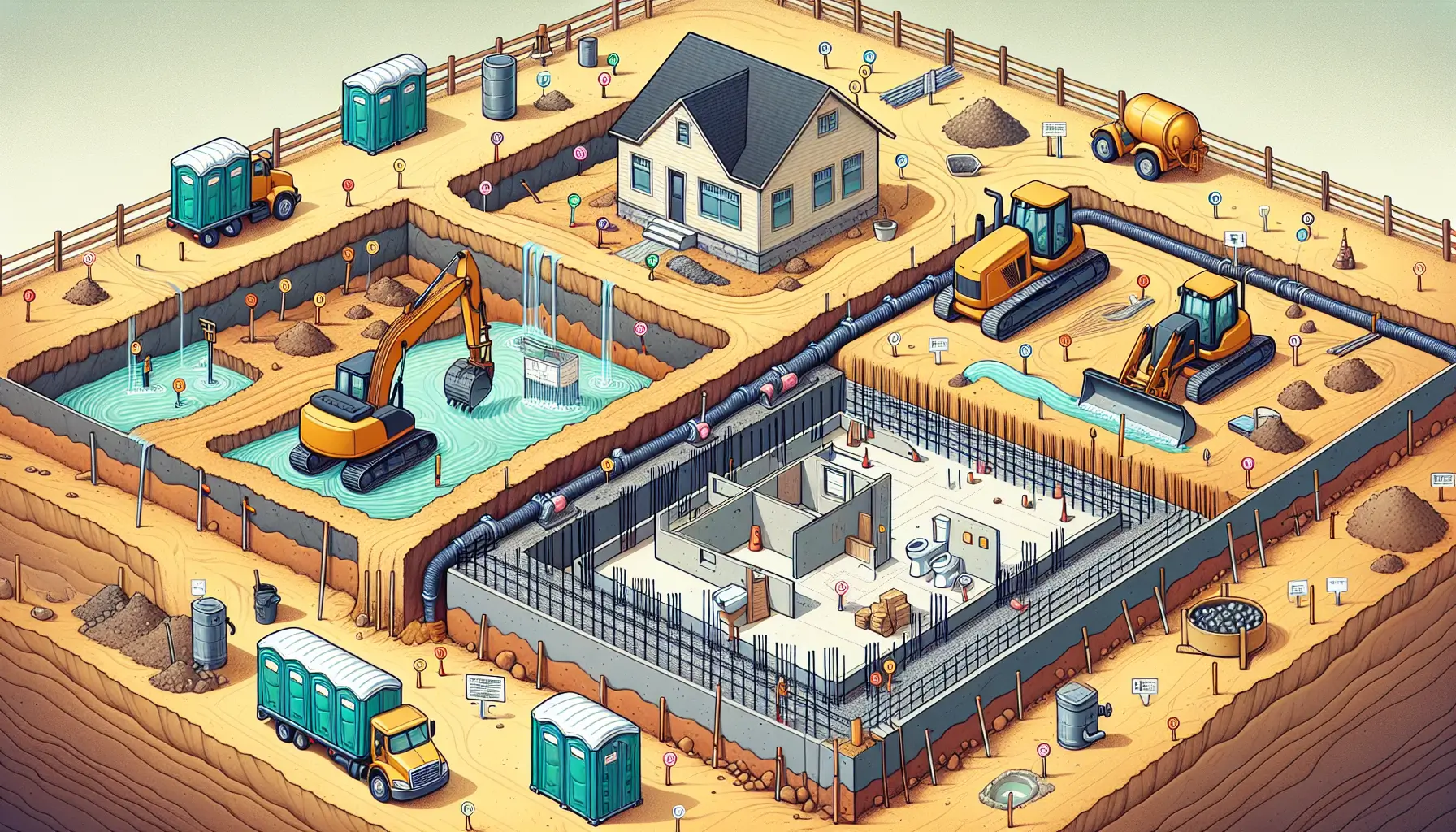
Constructing your new Utah home can be an exciting but often overwhelming process. This comprehensive blog post takes you through all 50 steps of the home building journey, from laying out the homesite to closing day. Learn the timelines for each phase and gain a solid understanding of how a house is built.
The first step in building a home in Utah is to lay out the homesite accurately. This ensures that the house is built exactly where it needs to be.
The construction manager or excavator will refer to the plot plan to mark the home’s position.
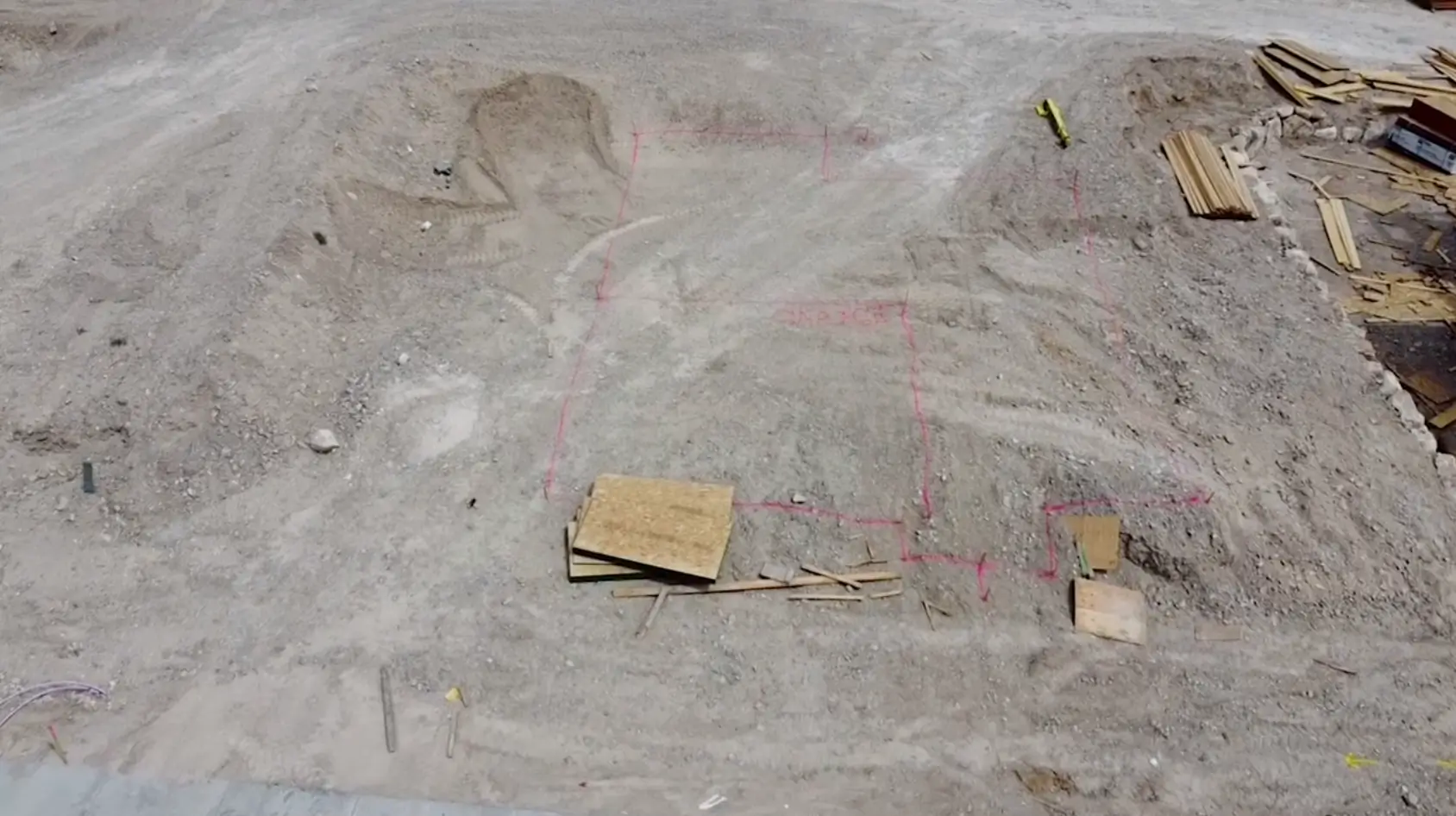
Pegs and spray paint are used to delineate the boundaries and important points of the homesite.
Excavation is a critical phase that involves preparing the land for the foundation of the house.
If the house plans include a basement or crawl space, the excavator will dig a hole wider than the home's footprint.
Portable toilets are placed on-site for workers.
An engineer will bore several holes in the ground to test the soil and water table conditions.
Concrete is poured into trenches or forms with rebar to create footings, which prevent settling and support the foundation walls.
With the site prepared, it's time to build the foundation and basement walls.
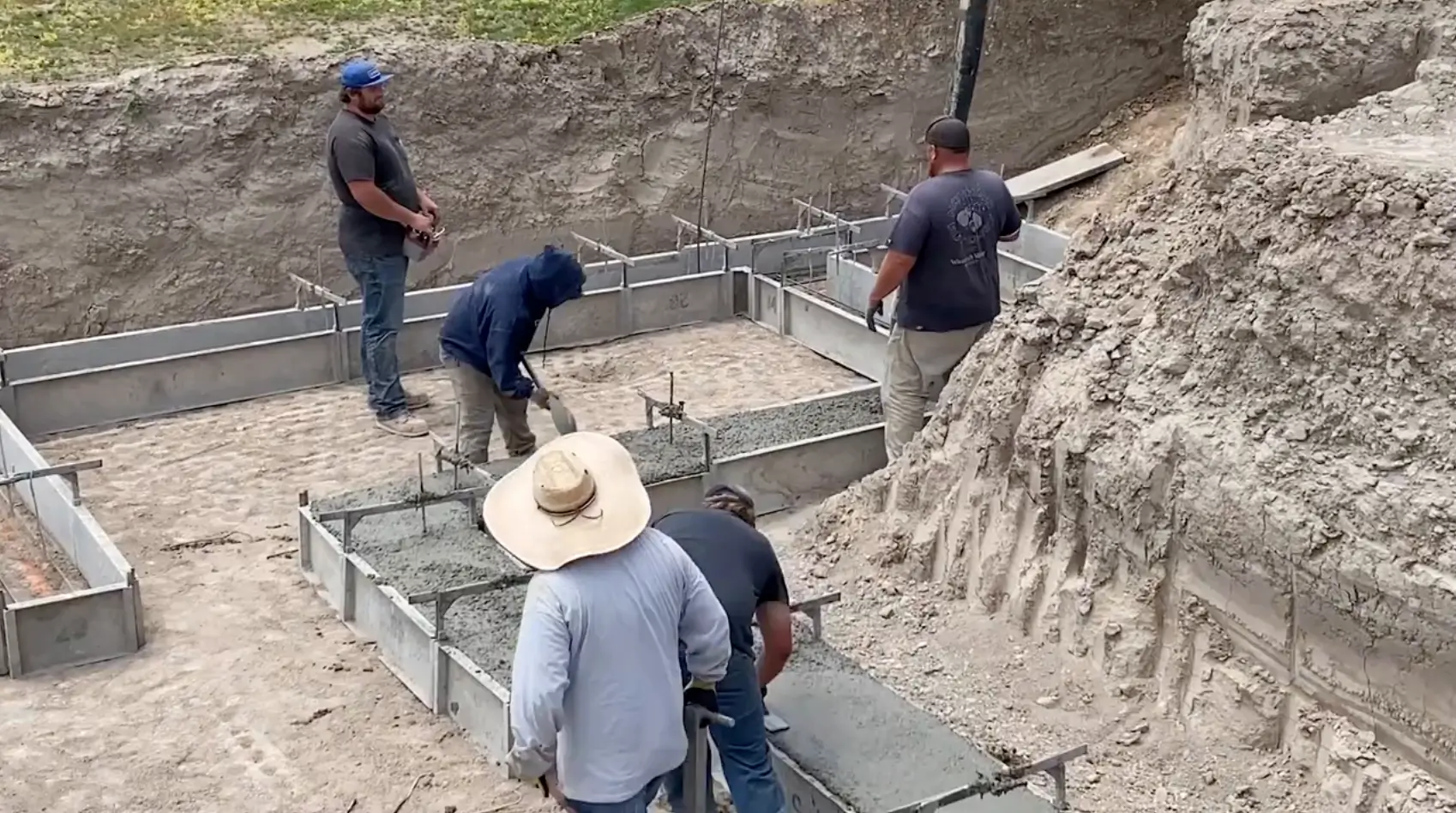
Rebar is set up to reinforce the foundation wall, followed by pouring concrete between the forms.
The concrete needs at least 7 days to cure, but other projects can continue in the meantime.
Trenches are dug for sewer and water lines, which are then connected from the street to the foundation.
Window wells, typically made of metal, are attached to the foundation wall around basement window openings.
A tar coating is applied to the exterior foundation wall to damp proof the basement.
The excavator pushes dirt back into the hole around the foundation and fills the garage area with dirt.
Various techniques and equipment are used to compact the soil around the foundation wall. Gravel is often added to further minimize settling.
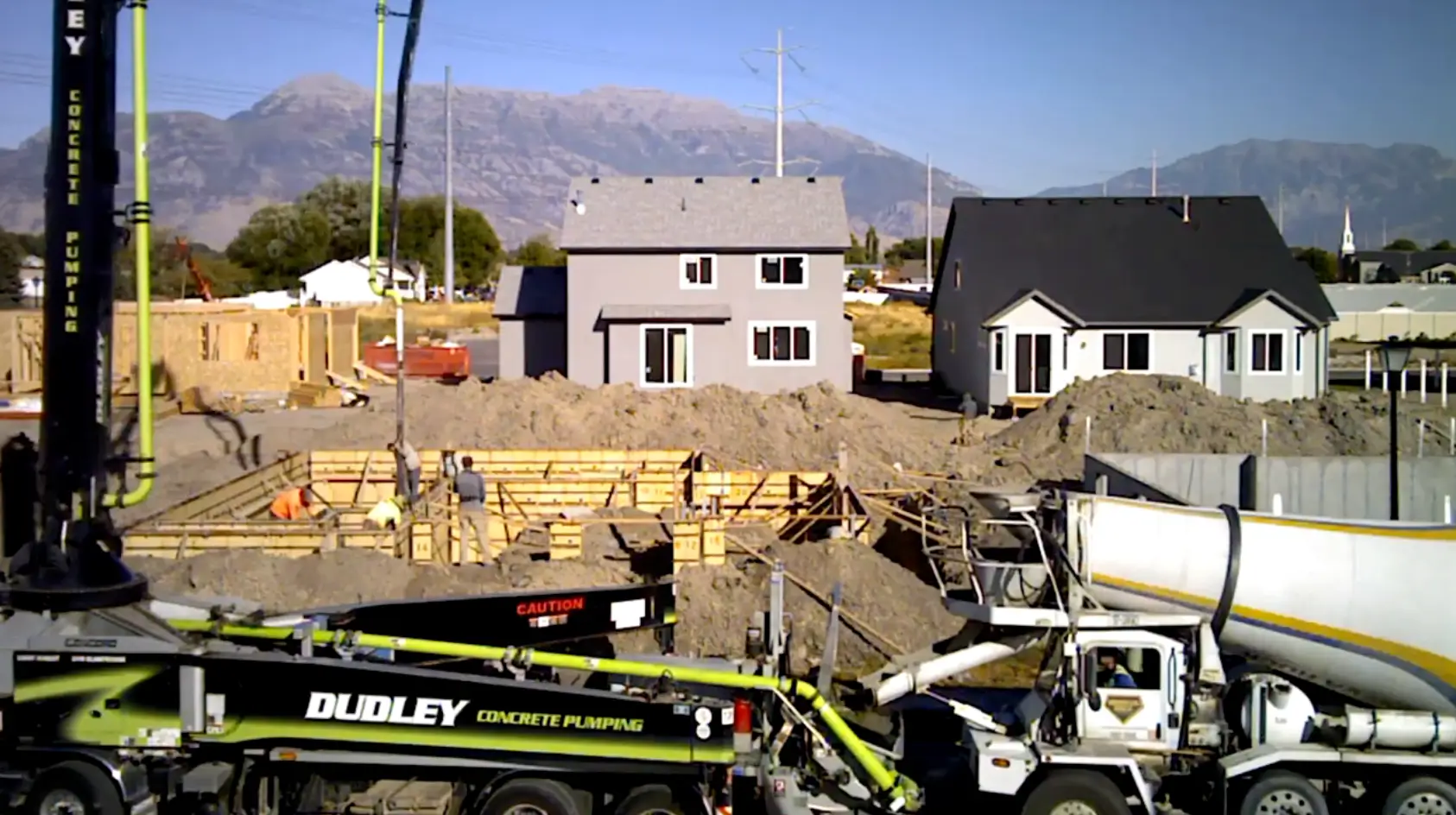
Once the foundation is set, it's crucial to lay down the essential utilities that will serve the home. This step involves the installation of sewer, water, gas, and power lines.
Most modern homes have underground power lines. A trench is dug from the street to the foundation wall, terminating at an exterior electrical panel. A temporary power box is installed at the front of the property to provide electricity for ongoing construction.
Electricians install junction boxes for outlets, lights, switches, fans, smoke detectors and vape detectors, and kitchen appliances. Specific wiring is run to each location, and the breaker box is set up, though power is not yet fully distributed.
A separate trench is dug to run the gas line to the home. Though the gas line is installed, it is not turned on at this stage.
The concrete pump truck returns to fill the basement and garage floors. The concrete is poured to a thickness of 3 to 6 inches and smoothed out by a crew.
As construction moves above ground, a dumpster is delivered to manage the significant amount of waste generated during the building process.
Framing and roofing are critical stages that shape the structure of the home. This phase includes the construction of floors, walls, and the roof.
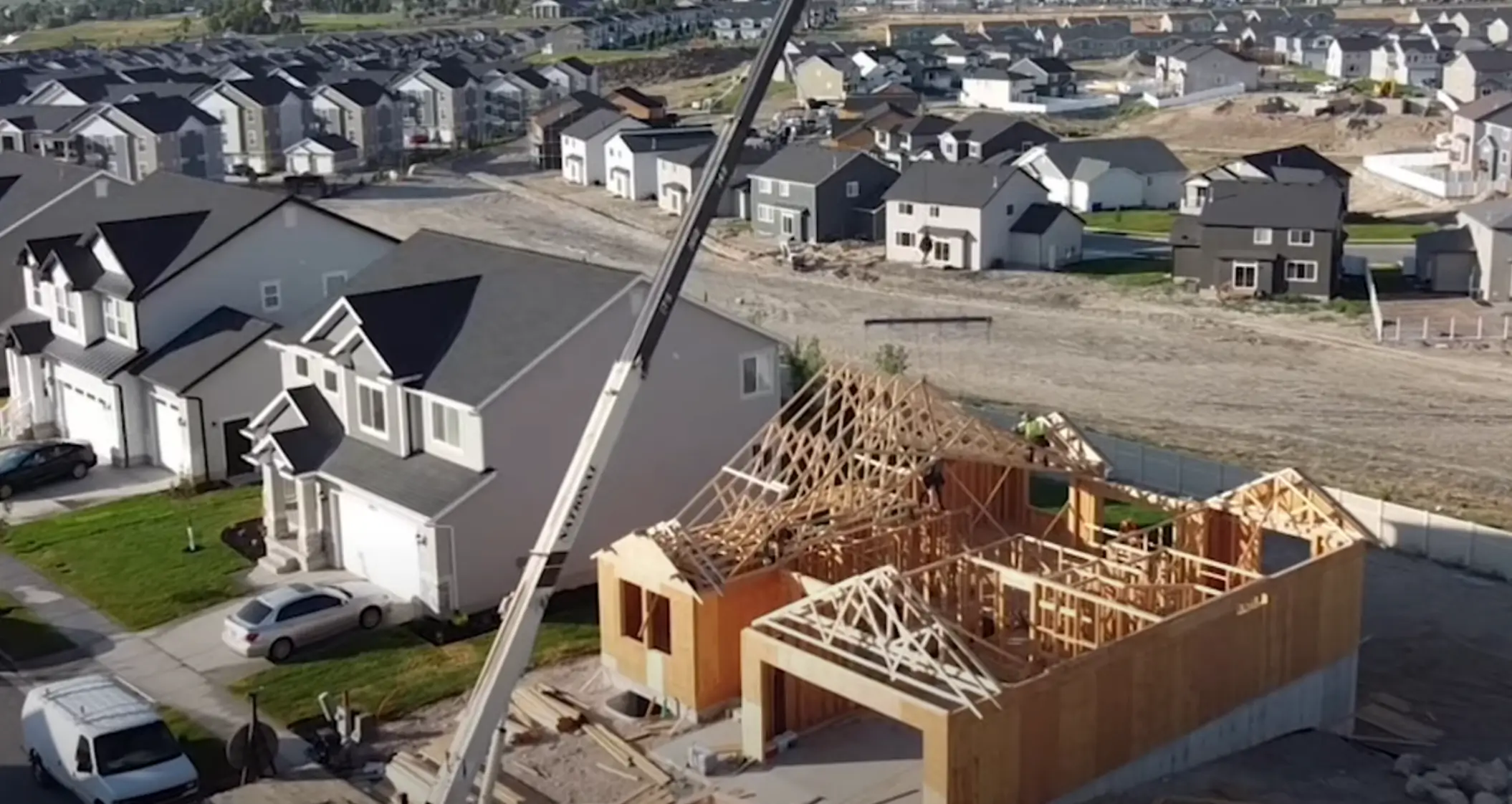
A specific number of lumber packages are delivered to the site. This includes various lengths and sizes of studs, treated boards for areas where wood meets concrete, pre-built roof trusses, particle board, and floor joists.
The roof is covered with felt paper, followed by shingles. Roofers start at the roof's edges and work their way to the peak, ensuring the home is protected from the elements.
Known as the four-way, this process involves the installation of plumbing, electrical, HVAC systems, and includes multiple inspections. These systems are often installed simultaneously by different trades.
Heating and air conditioning units, along with ductwork, are installed to distribute warm or cool air throughout the home. Gas fireplaces are also added during this stage.
Electricians install junction boxes for outlets, lights, switches, fans, smoke detectors, and kitchen appliances. Specific wiring is run to each location, and the breaker box is set up, though power is not yet fully distributed.
Plumbers run sewer and water lines to the kitchen, bathrooms, and laundry areas. Tub and shower surrounds, as well as the water heater, are also installed at this time.
Windows and doors are installed, allowing the heating and air conditioning systems to be turned on. This is particularly beneficial as homes are built year-round, and maintaining a controlled climate can aid in the construction process.
Interior finishing marks the transition from rough construction to a more detailed and polished phase. This stage significantly enhances the home's livability and aesthetic appeal.
Once the home passes the four-way inspection, insulation is installed. A city inspector will return to verify the proper installation of the insulation.
Large sheets of drywall, also known as sheetrock, are delivered to the site. A crew hangs these heavy sheets on the interior walls and ceilings, cutting holes for electrical boxes and plumbing.
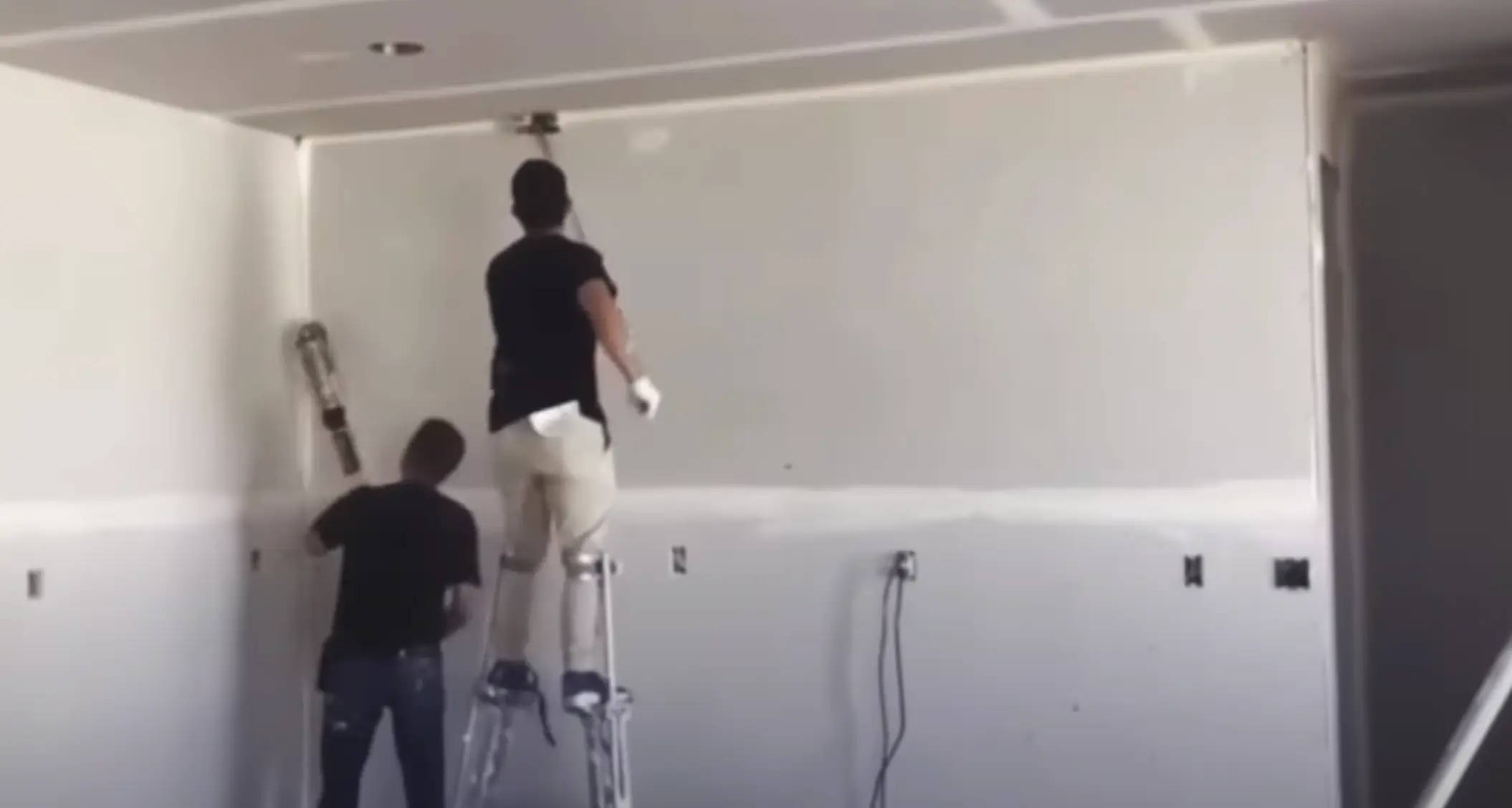
Special tools and methods are used to apply mud and tape to the seams where drywall panels meet. Corner beads are added to protect the edges, and the surface is sanded before texturing the walls.
With heavy equipment no longer needed, the driveway is poured. Aluminum soffit, fascia, and gutters are installed to protect the roof's edge and overhang from the elements.
Stucco is applied in multiple coats, which need to dry between applications. If it's too cold, a tent and heaters may be used. Siding, which is quicker to install, is also added at this stage.
Brick and stonework are added to the front of the home and often on pillars, enhancing the exterior's visual appeal.
Long trim pieces are attached to the lower walls, and shelving is installed. Stair railings receive their final adjustments.
Shelves and trim are caulked, and holes are spackled for a cleaner look. Windows and other areas not to be painted are covered with plastic before a paint spray gun is used for the walls, ceilings, and doors.
Any remaining concrete is poured, including patios and small driveway sections. Damaged concrete is replaced, and decks are completed.
The garage door opener and garage doors are installed, adding convenience and security to the home.
Wood and tile floors are installed late in the process to prevent damage. This includes floors in high-traffic areas like the kitchen and bathrooms.
Custom cabinets are installed in the kitchen, bathrooms, and laundry area. Countertops and under-mount sinks are also added during this phase.
Floating floors, such as laminate or vinyl, are installed, providing a durable and attractive surface.
Construction debris and large rocks are removed, and the site is graded to ensure proper water drainage, preparing the ground for landscaping.
The final touches and inspections are crucial for ensuring the home is ready for occupancy. This stage involves detailed work and thorough inspections to confirm everything is up to code.
The electrician returns to install fans, light fixtures, electrical outlets, light switches, and low-voltage items like speakers and internet hookups.
Vent covers and the thermostat are installed, completing the HVAC system.
Plumbers install toilets, faucets, sinks, and the garbage disposal. Waterproof caulking is also applied.
Cabinet hardware such as handles and knobs are installed, completing the cabinetry.
Carpet and padding are cut to fit each room and installed, adding comfort and warmth to the home.
Mirrors and shower glass are installed in the bathrooms, enhancing functionality and aesthetics.
Key appliances like the dishwasher, stove, and microwave are installed, generally included in the home build package.
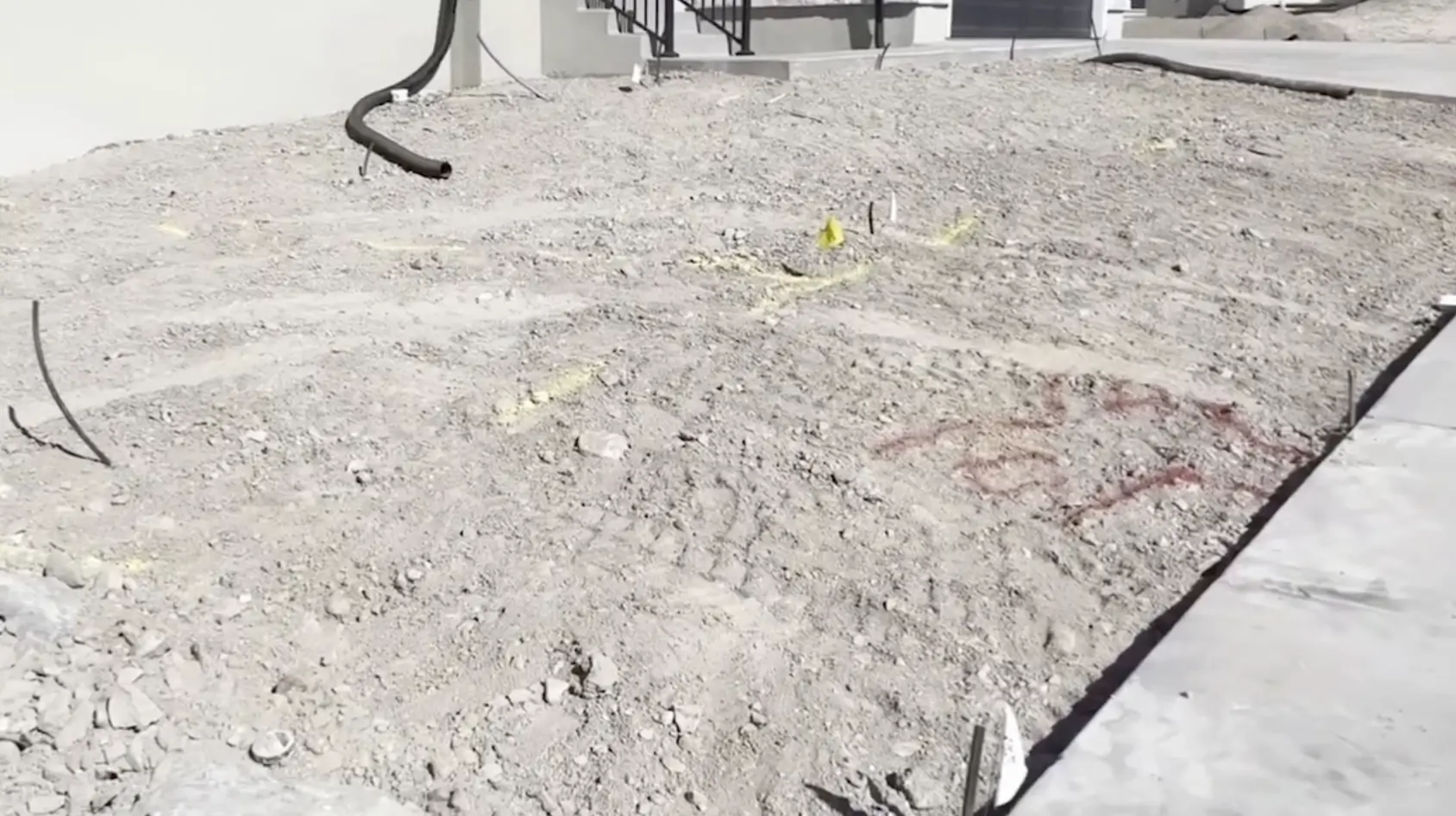
Landscaping often includes front yard work, with sprinkler systems, trees, shrubs, sod, and xeriscaping around the foundation.
The superintendent conducts a quality walk to check for incomplete items, ensuring all major projects are finished.
The city inspector performs a final inspection to confirm the home is ready for occupancy. This approval is crucial for closing on the home.
Related Articles:
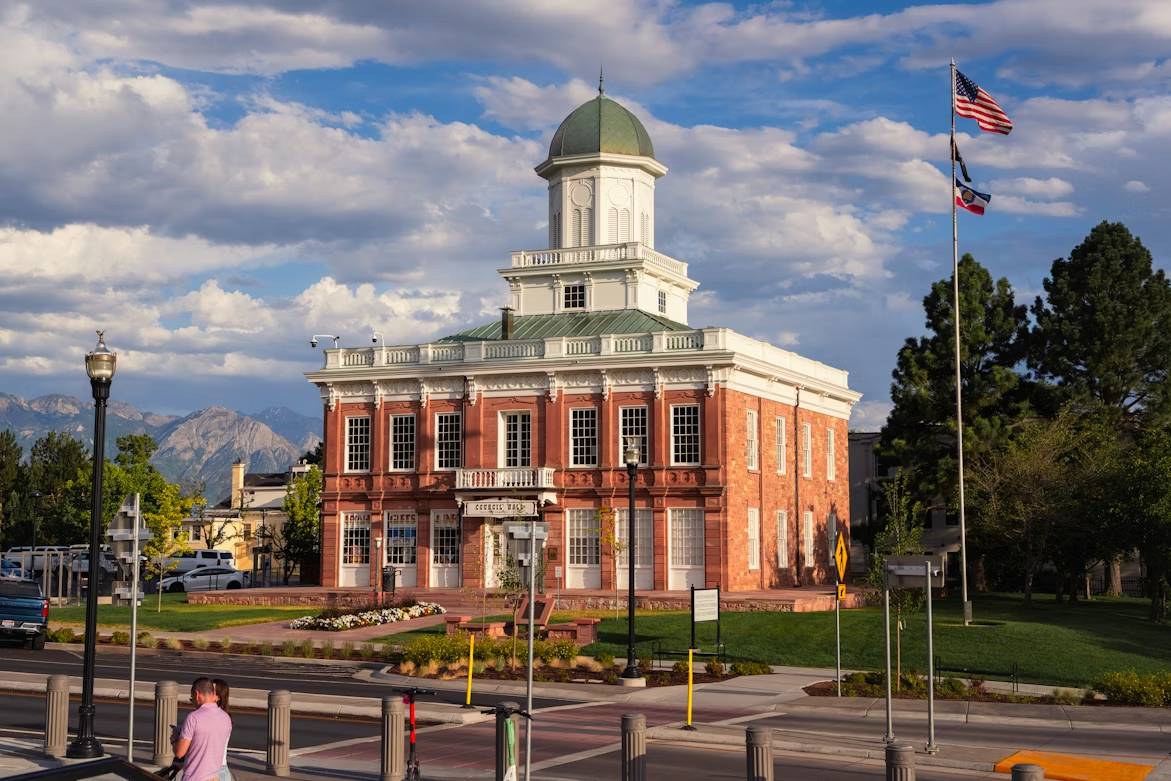
Utah’s historic homes carry a distinct architectural character shaped by regional stone, early craftsmanship, and centuries of environmental exposur

Smart home improvements do more than just lower monthly utility bills. They transform a house into a modern asset that appeals to the current generation of savvy buyers. High efficiency is now a standard expectation rather than a luxury upgrade. When you focus on the right systems, you build immediate equity while creating a more comfortable living environment for your family.

St. George summers are no joke. With temperatures regularly climbing past 105°F from June through September, a working air conditioner isn't a luxury in Southern Utah it's essential.
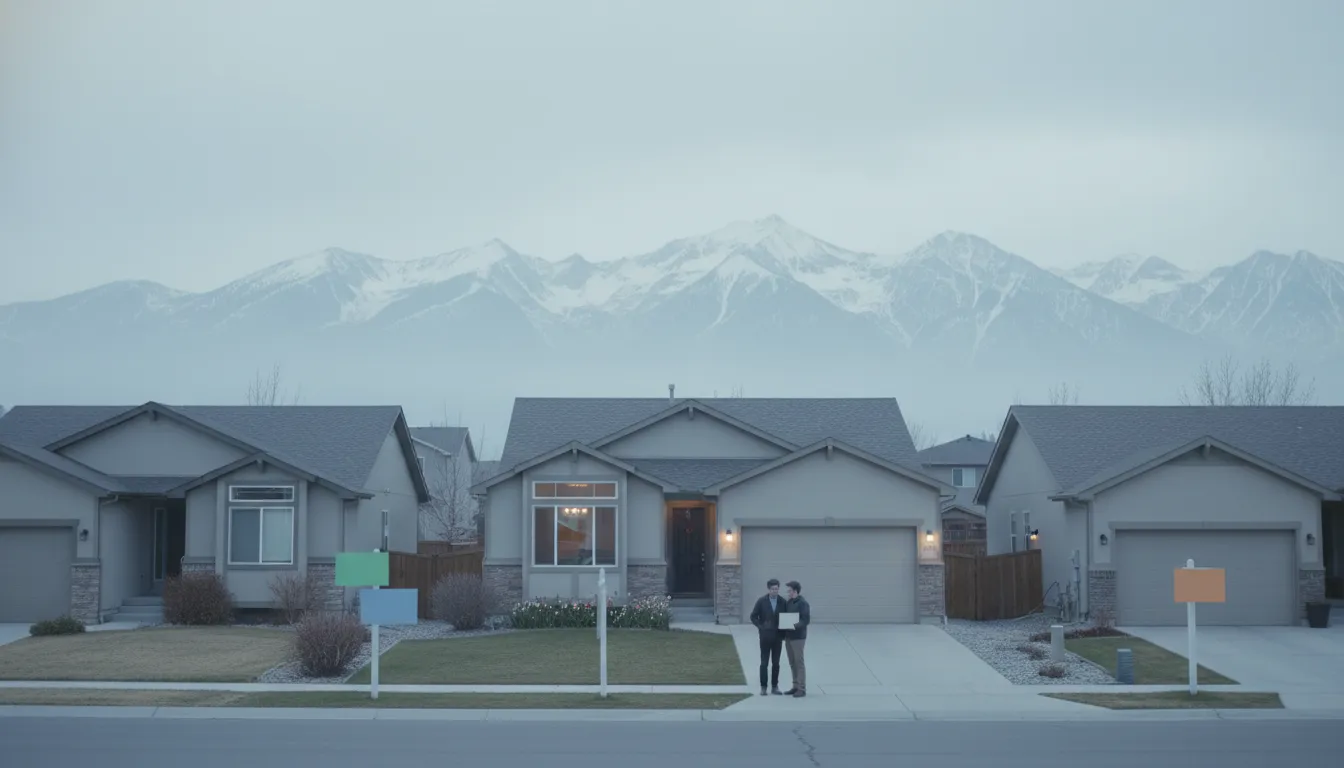
Utah’s spring housing market is showing signs of strain. Inventory is rising, contract cancellations are elevated, rents are softening, and buyer demand is not keeping pace with the number of homes hitting the market. For anyone asking whether Utah is shifting toward a buyer’s market, the latest signals point in that direction.
Access all your saved properties, searches, notes and more.
Access all your saved properties, searches, notes and more.
Enter your email address and we will send you a link to change your password.
I agree to receive marketing and customer service calls and text messages from Best Utah Real Estate. Consent is not a condition of purchase. Msg/data rates may apply. Msg frequency varies. Reply STOP to unsubscribe. Privacy Policy & Terms of Service.
Listings displayed on this website are provided via IDX. The website owner is not the listing broker or agent unless explicitly stated.

Your trusted MLS search companion