Provo Travel & Real Estate Guide: 15 Must-See Attractions
Provo, Utah blends mountain scenery, a strong university presence, and active outdoor culture—factors that shape both daily life and the local real estate market.

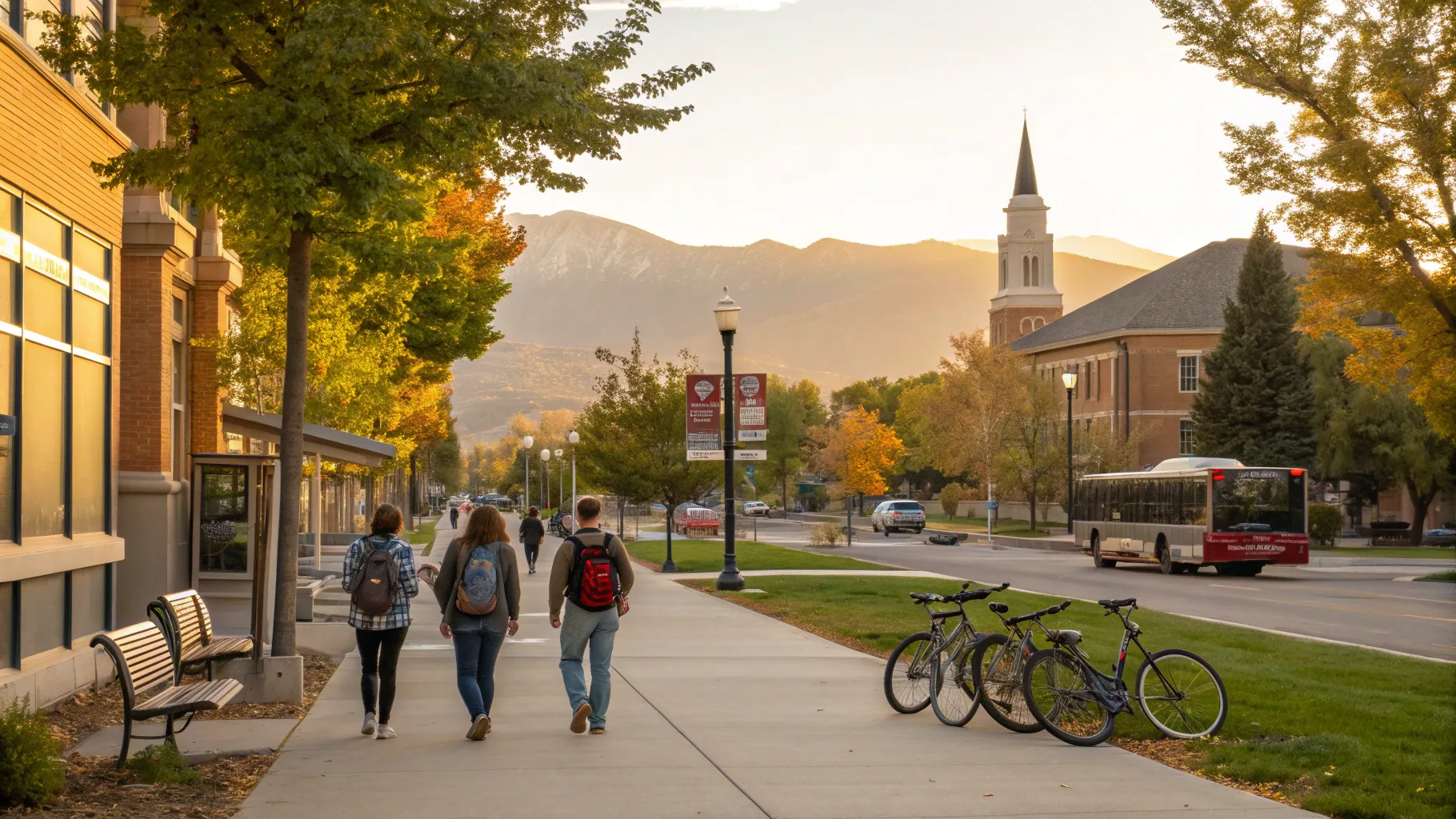
Provo blends small city charm, a major university campus, and a uniquely local lifestyle. Beyond the clean streets and family-friendly atmosphere, several quirks define daily life for residents and newcomers alike. This article outlines the most surprising customs, rules, and local favorites that shape living in Provo, with practical notes for homebuyers, renters, and investors considering Utah County.
Provo is home to Brigham Young University and a population heavily influenced by the Church of Jesus Christ of Latter-day Saints. That influence shows up in local laws, campus expectations, retail hours, and neighborhood rules. Understanding these differences helps buyers, renters, and investors make informed decisions and better adapt to local norms.
Alcohol sales and service in Provo follow stricter statewide rules than in many other states. Hard liquor and wine are sold only through state-run liquor stores, and restaurants face limits on draft beer alcohol content. Local ordinances restrict where bars can open, often keeping them away from religious buildings and parks. Practical effects include earlier last-call hours, with many establishments closing by 1 a.m., ID scanning at clubs, and a limited selection of alcoholic beverages in grocery stores. For a night out, locals often joke that a "shot" in Provo is more likely to mean a jello shot than a shot of tequila.
Brigham Young University maintains an honor code that governs student conduct and housing eligibility. Key elements include prohibitions on tobacco, alcohol, and illicit drugs, and on premarital sexual relations. Historically, grooming standards were enforced in testing and other settings, and separate living arrangements for men and women are part of student housing policies. These campus norms influence rental demand, local businesses, and the overall culture of Provo neighborhoods adjacent to the university.
Many Provo neighborhoods, especially those near the university, downtown, and the foothills, have active parking enforcement. Street parking rules are enforced year-round; during winter months, street parking can be ticketed even when driveways are snowed in. Buyers and renters should consider parking availability when comparing properties near campus and downtown, and investors should factor parking requirements into rental unit planning.
Provo limits the number of unrelated occupants allowed in many single-family zones; commonly, no more than four non-related people may legally live together in a single-family residence in certain zones. The city requires sellers to provide a Provo City zoning disclosure so potential buyers understand whether a property is legally rentable or restricted. These rules aim to preserve single-family neighborhoods and prevent over-concentration of student rentals. For investors, zoning classification can produce significant price differences between otherwise similar properties; properties legally zoned for rental use often command a premium.
Downtown Provo contains a network of older tunnels originally used for storage and utility functions. Anecdotal and historical accounts note ice storage and food preservation among early uses. Portions of tunnel networks at institutional sites, such as the university and the missionary training center, exist for building connections and utilities but are not public thoroughfares. These features are part of Provo's historical infrastructure rather than a public attraction, but they add to the city's character.
Sunday hours in Provo reflect local religious practice. Chain stores, grocery stores, and gas stations generally remain open on Sundays, but many smaller downtown and independent shops close to observe the Sabbath. Estimates place members of the Church of Jesus Christ of Latter-day Saints between 82 percent and 90 percent of Provo's population, which explains the prevalence of Sunday observance. For shoppers and visitors, Sundays can mean quieter malls and fewer open boutiques downtown.
Soda shops are a regional phenomenon in Provo. Brands and local chains like SodaLicious, Swig, Fizz, Quinchit, and Soda Tree serve customized, flavored fountain drinks that often include add-ins such as fruit purees, cream, or ice cream. Popular drink styles include "dirty" mixes that pair traditional sodas with fruity or creamy additions. These specialty shops compete more directly with cookie shops than with coffee houses in many neighborhoods.
Cookie shops are equally prolific. Local favorites include Chip and Crumbl as well as other regional names. The cookies tend to be oversized and calorie-dense, frequently topped with frosting and offered in a wide range of flavors. Price points for these specialty items are higher than convenience alternatives; a single cookie and a specialty soda can cost several dollars more than similar items bought at a convenience store.
The BYU Creamery remains a popular Provo tradition. The creamery on Ninth is a busy spot for students and families seeking ice cream and the beloved chocolate milk. An outlet creamery nearby occasionally sells mixed or leftover flavors at a discount; bulk tubs are sometimes available at a lower price than standard retail sizes. The creamery is a local draw that contributes to downtown foot traffic and student culture.
Fry sauce, a regionally popular condiment, comes in several local varieties. The pink version is commonly a ketchup and mayonnaise mix, while the "white sauce" variation blends mayonnaise with buttermilk and sometimes pickle juice. Fry sauce accompanies fries and fast-casual orders across Provo and is one of those culinary touches that visitors often notice as distinctly Utah.
Provo's specialty foods and beverages are often celebrated, but they can also be more expensive than convenience alternatives. Typical price comparisons reveal specialty sodas in the $4 range and cookies around $3.50, versus sub-dollar options at gas stations. For families and budget-conscious residents, specialty shops are treated as occasional treats rather than daily staples. For investors or retail operators, the strong demand for specialty beverage and dessert concepts shows potential but requires careful pricing and positioning.
For broader Utah real estate resources and to explore local listings, visit https://bestutahrealestate.com
How strictly are liquor laws enforced in Provo and Utah County?
Enforcement is consistent with statewide regulations. Hard liquor and wine are sold primarily through state-run liquor stores. Restaurants and bars follow restrictions such as draft beer alcohol limits and earlier closing hours, and local ordinances regulate where bars may operate relative to parks and religious buildings.
What are the main BYU honor code rules that affect students?
Major elements include prohibitions on tobacco, alcohol, illicit drugs, and premarital sexual relations. Honor code provisions can also address personal grooming and housing arrangements. Compliance is required for students to remain in good standing at the university.
Are there occupancy limits for rentals in Provo?
Yes. Many single-family zones have limits on the number of unrelated occupants allowed to live together. Commonly, up to four non-related people are permitted in certain single-family residences. Sellers must provide zoning disclosures so buyers understand rental eligibility.
How can parking issues affect property choice near BYU?
Parking availability is a significant factor in neighborhoods adjacent to campus. Strict enforcement can affect homeowners and visitors, especially during winter when driveways may be snowed in. Buyers should evaluate driveway capacity, street parking rules, and any homeowner association regulations related to parking.
Are specialty soda and cookie shops profitable in Provo?
Provo demonstrates strong local demand for specialty beverage and dessert concepts given student and family traffic. Profitability depends on location, pricing strategy, and operational efficiency. Higher price points are supported by demand, but competition and seasonal student populations influence revenue stability.
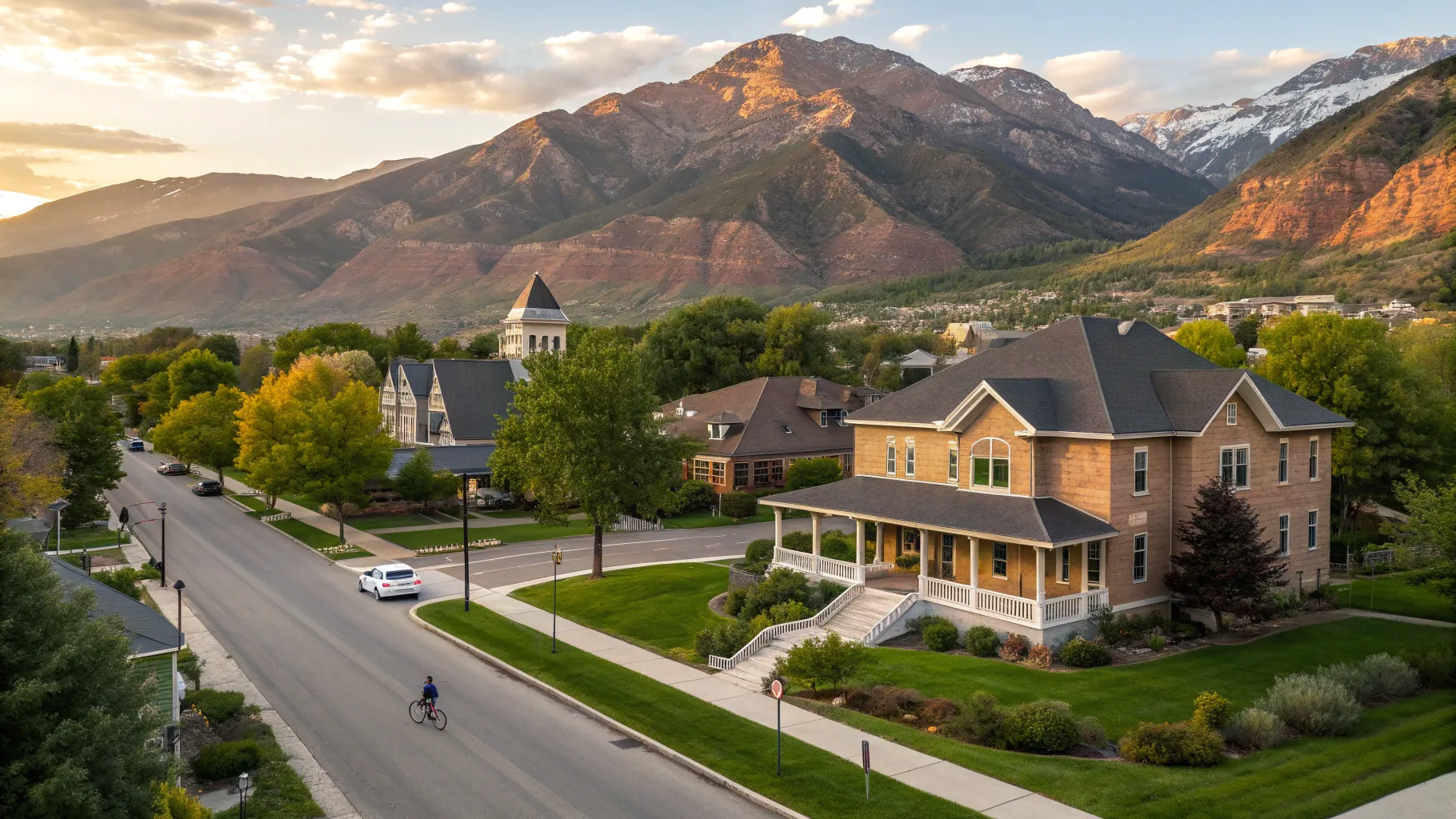
Provo, Utah blends mountain scenery, a strong university presence, and active outdoor culture—factors that shape both daily life and the local real estate market.
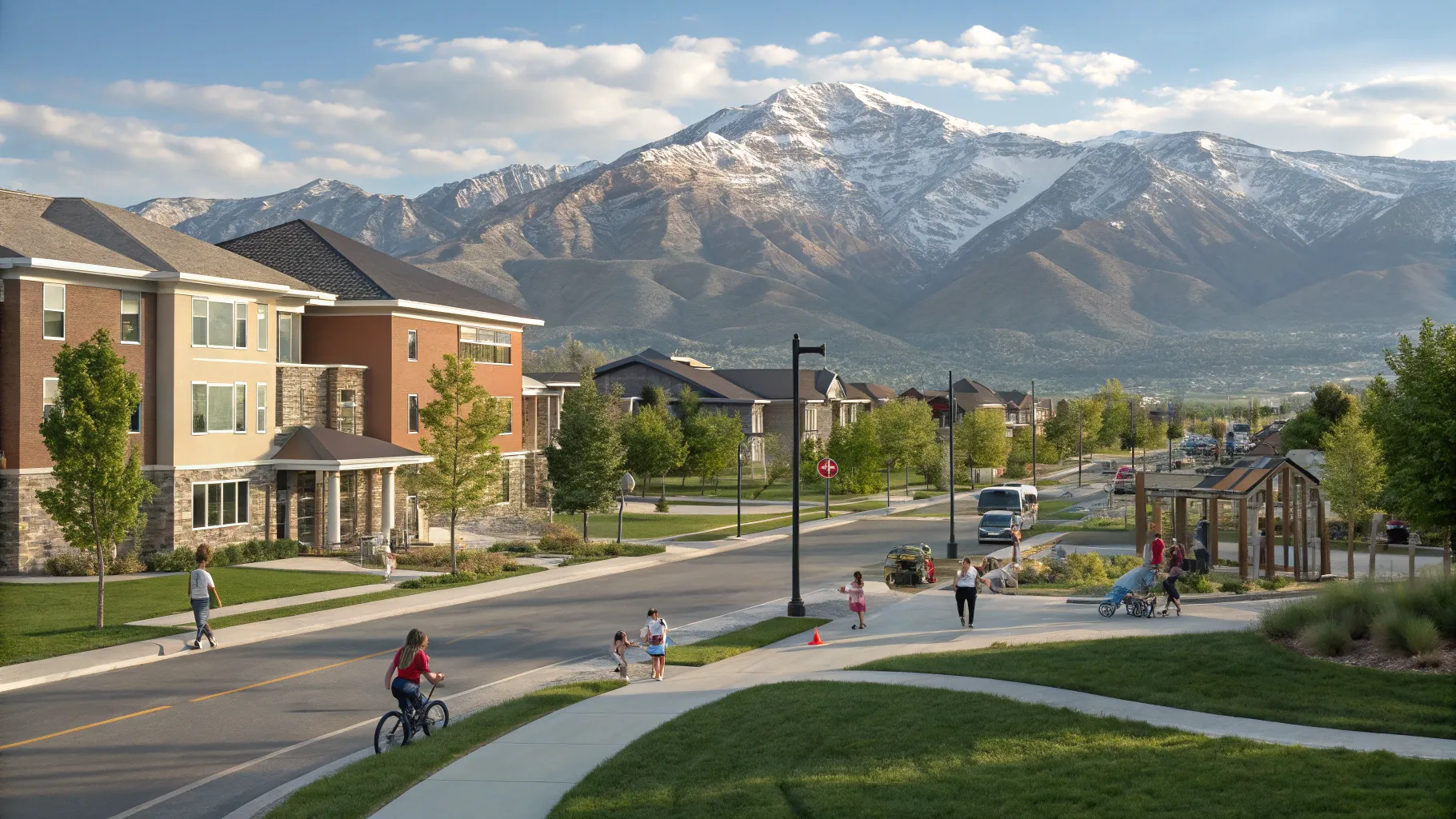
Complete 2025 guide to moving to Provo & Utah County — neighborhoods, commute times, housing market, schools, cost of living and practical pros/cons for movers.
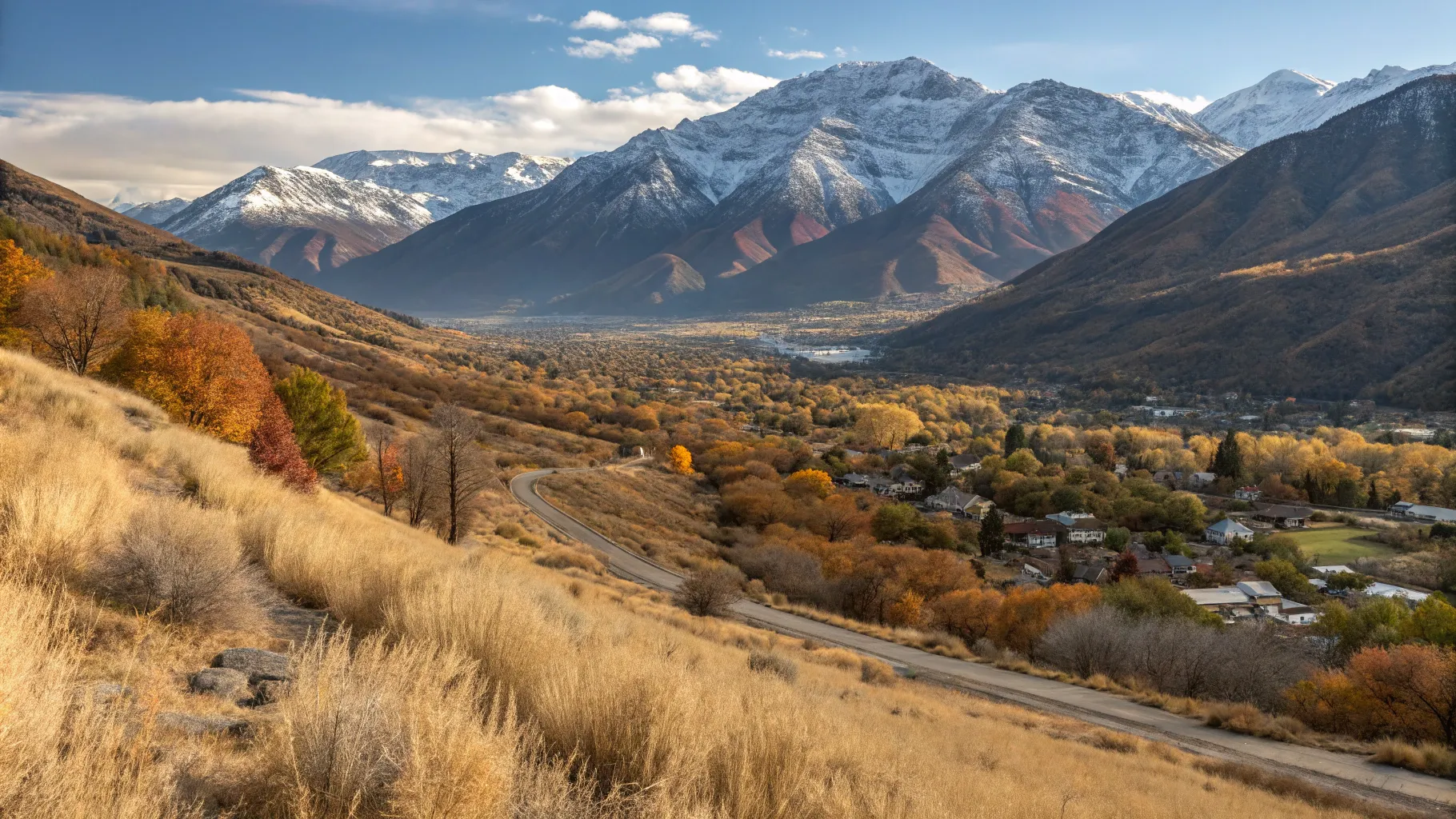
Utah's climate is famously varied: mountain deserts, high-elevation resorts, and warm southern valleys combine to produce distinct seasons, sudden changes, and scenic extremes.
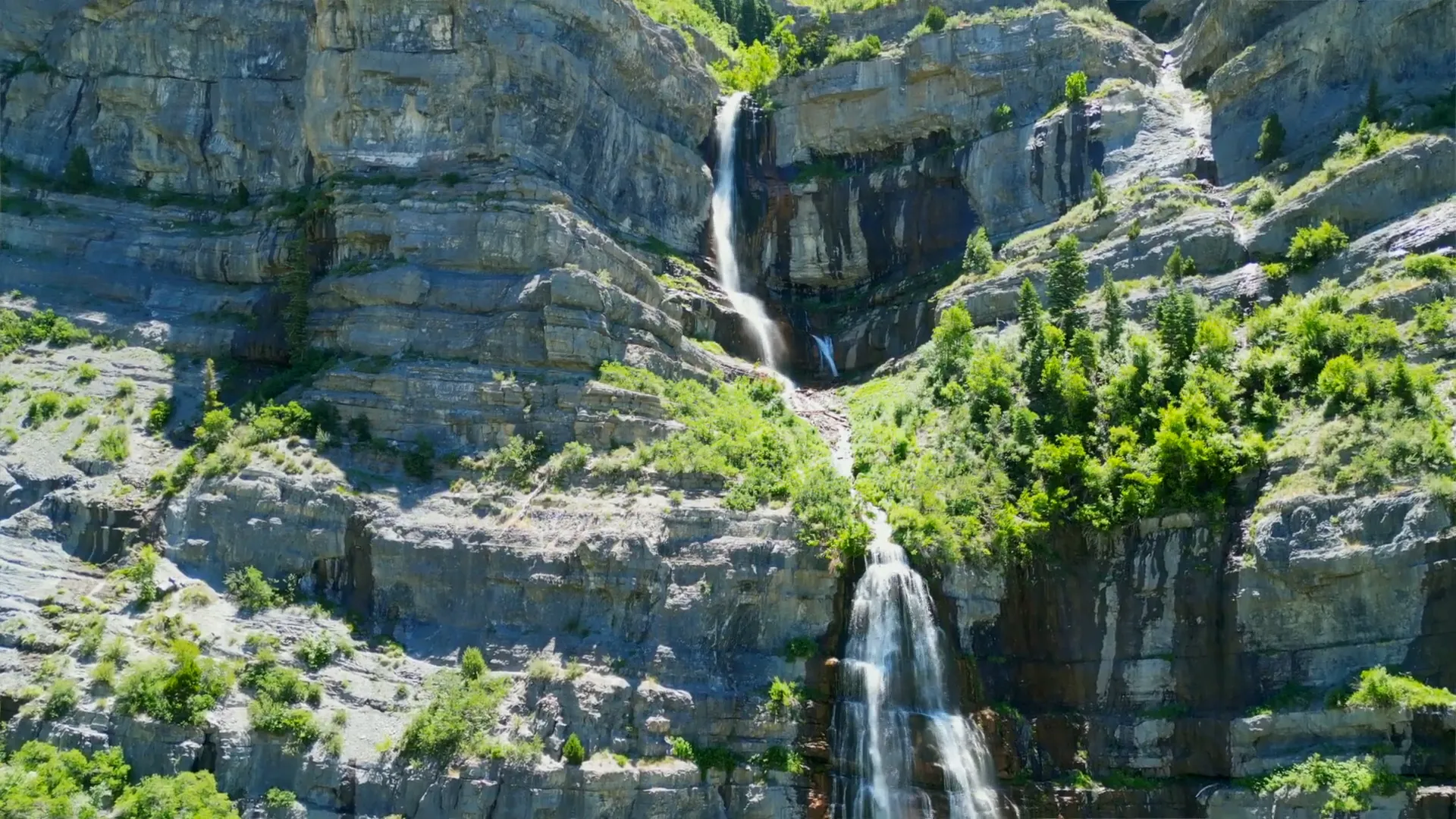
Provo, Utah, is a hidden gem filled with a plethora of enjoyable, economical, and free activities just waiting to be discovered. In this article, we will take a look at the 15 essential places that wi
Access all your saved properties, searches, notes and more.
Access all your saved properties, searches, notes and more.
Enter your email address and we will send you a link to change your password.
I agree to receive marketing and customer service calls and text messages from Best Utah Real Estate. Consent is not a condition of purchase. Msg/data rates may apply. Msg frequency varies. Reply STOP to unsubscribe. Privacy Policy & Terms of Service.
Listings displayed on this website are provided via IDX. The website owner is not the listing broker or agent unless explicitly stated.
Your trusted MLS search companion