
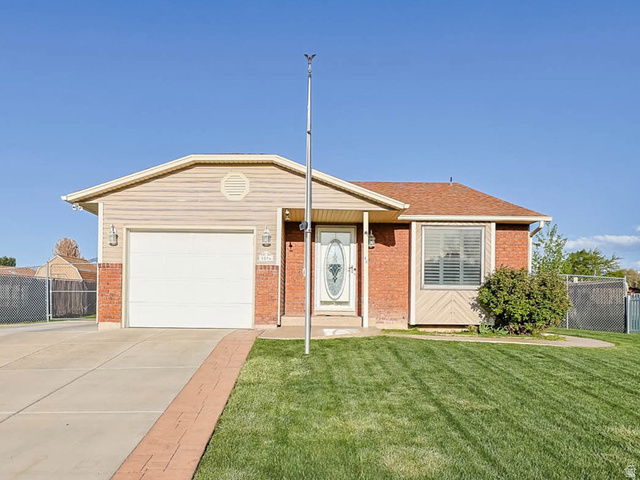
Restoring Utah’s Historic Homes: A Guide to Authentic Masonry
Utah’s historic homes carry a distinct architectural character shaped by regional stone, early craftsmanship, and centuries of environmental exposur

Open-air living spaces carry a rare kind of quiet appeal. They hold morning light, evening shade, soft movement of air, and moments of pause that feel separate from indoor routines. Yet many outdoor spaces feel scattered, exposed, or visually noisy. Decorative dividers change that experience. These features shape space without closing it off, guiding the eye and the body into a calmer rhythm of use. A well-placed divider brings order where there was once visual clutter, and it allows each zone of the yard to feel intentional.
Decorative dividers work with sightlines, movement, texture, and proportion. They influence how sound travels, how light shifts through the day, and how private or open a space feels. The goal is not control through heavy structures. The goal rests in a gentle definition that brings a settled mood. From glass panels around pools to timber screens that shape seating zones, each choice carries its own emotional tone. This guide explores how decorative dividers support a peaceful outdoor setting and how thoughtful design choices lead to a stronger sense of calm.

Glass pool fencing has grown into one of the most refined divider options for modern outdoor spaces. Its appeal grows from the balance it holds between safety, visual flow, and open atmosphere. A pool often sits at the heart of a yard, drawing both attention and movement. A solid barrier can break that flow and create a boxed feeling. Clear glass panels allow the water, sky, and surrounding surfaces to stay visually connected. The yard reads as one continuous space rather than a set of broken parts.
Safety remains the core purpose, yet style and ease of sight form part of the wider experience. Property owners gain confidence and peace of mind through stable construction and proper planning, hiring experts like Glass Huse guides the process with steady skill, and the finished enclosure settles into the space with clarity and restraint. The result feels open, ordered, and serene rather than guarded or heavy.
The material of a divider shapes not only how it looks but how it feels over time. Timber brings warmth through grain, tone, and age. Its surface shifts with sun and rain, offering a living texture that pairs well with plants and stone. Metal carries a sharper profile. Slim steel panels or laser-cut screens present crisp edges and repeatable patterns that suit modern settings. Masonry walls offer weight and permanence. Their density can bring a grounded quality that suits larger properties or spaces meant for long stays.
Each material interacts with light and shadow in a distinct way. Timber softens glare. Metal casts patterned shade. Stone creates broad shadow fields that cool the space. The sense of calm rises from how these effects work through the day. Long shadows in late afternoon, soft light in early hours, and filtered highlights all play a role. Material should match the tone of use. A silent reading corner calls for a gentle surface texture. A social dining area can accept a more bold structure without losing balance.

Decorative dividers act as tools for visual order. They slow the eye and guide attention across a series of calm transitions. This influence grows strongest through their effect on light and shadow. Direct sun brings energy. Filtered light brings rest. A screen with narrow slats produces a rhythm of shade that shifts hour by hour. Glass brings reflection and transparency. Foliage trained along an open divider creates soft movement that settles the view.
Visual order reduces mental strain. When the yard feels scattered, the mind remains alert. When it feels composed, the body settles. Dividers provide that sense of placement. They separate paths from seating, water from fire features, and rest from play. The change does not rely on walls that block vision. It relies on subtle breaks that signal purpose. A few steps into a screened area can feel like crossing into a quieter zone, even when sound still drifts through.
Visual separation between social and private zones
Safer pool areas without heavy barriers
Controlled wind movement across seating areas
Softer sightlines from neighboring properties
Clear guidance for movement through the yard
Support for climbing plants and green features
Privacy plays a central role in how relaxed an outdoor space feels. Full exposure can keep the body on edge, even in a beautiful yard. Decorative dividers offer privacy through partial cover rather than full enclosure. A slatted timber screen blocks direct sight while still passing light and air. Frosted glass shields seating areas without cutting off sky views. Green walls of layered planting soften boundaries and blend into the wider setting.
The goal rests in protection without confinement. Air must move. Light must pass. Sound must soften rather than rebound. When privacy feels too rigid, the space can shrink in mood. When it feels too loose, calm never settles. Decorative dividers hold the middle ground. They allow outdoor living to feel personal without turning it into an isolated pocket. That balance builds confidence to rest, read, dine, or gather without the tension of open exposure.
Outdoor spaces change with the seasons, yet well-chosen dividers keep their role steady across shifting weather and light. In warmer months, screens guide shade and airflow. In cooler periods, they shelter seating from cold wind and shape areas that still invite use. Deciduous planting along open dividers allows summer shade and winter sun. Fixed panels change the angle of light without blocking it outright.
Seasonal growth also plays a role. Vines climb, leaves thicken, and textures deepen through the year. A divider that welcomes plant life gains layers of depth without turning dense. These small shifts add visual interest without stirring disorder. The space stays readable and calm through change.
Decorative dividers carry quiet power within an outdoor residence. They guide how space feels, how movement flows, and how rest takes shape. From the clarity of glass pool fencing to the warmth of timber screens and the firmness of stone walls, each option shapes a different mood. The right divider does not draw attention to itself. It supports calm through balance, scale, and placement.

Utah’s historic homes carry a distinct architectural character shaped by regional stone, early craftsmanship, and centuries of environmental exposur
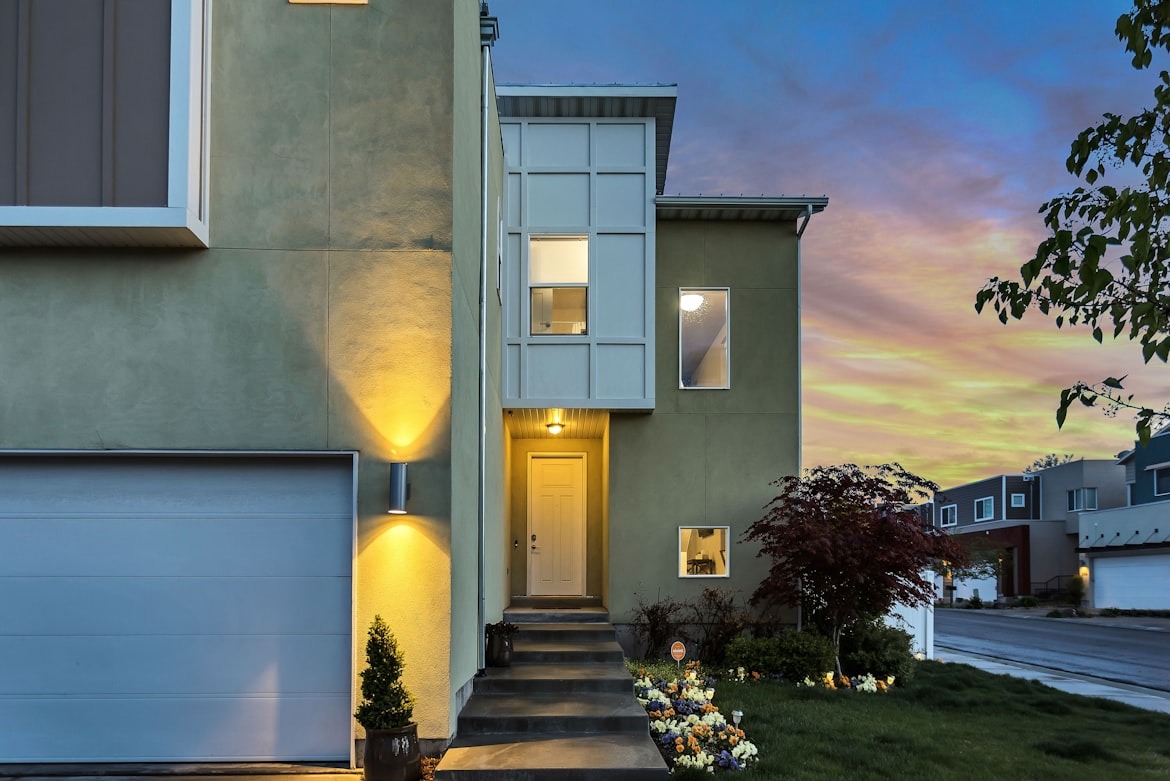
Smart home improvements do more than just lower monthly utility bills. They transform a house into a modern asset that appeals to the current generation of savvy buyers. High efficiency is now a standard expectation rather than a luxury upgrade. When you focus on the right systems, you build immediate equity while creating a more comfortable living environment for your family.

St. George summers are no joke. With temperatures regularly climbing past 105°F from June through September, a working air conditioner isn't a luxury in Southern Utah it's essential.

Utah’s spring housing market is showing signs of strain. Inventory is rising, contract cancellations are elevated, rents are softening, and buyer demand is not keeping pace with the number of homes hitting the market. For anyone asking whether Utah is shifting toward a buyer’s market, the latest signals point in that direction.
Access all your saved properties, searches, notes and more.
Access all your saved properties, searches, notes and more.
Enter your email address and we will send you a link to change your password.
I agree to receive marketing and customer service calls and text messages from Best Utah Real Estate. Consent is not a condition of purchase. Msg/data rates may apply. Msg frequency varies. Reply STOP to unsubscribe. Privacy Policy & Terms of Service.
Listings displayed on this website are provided via IDX. The website owner is not the listing broker or agent unless explicitly stated.

Your trusted MLS search companion