
Restoring Utah’s Historic Homes: A Guide to Authentic Masonry
Utah’s historic homes carry a distinct architectural character shaped by regional stone, early craftsmanship, and centuries of environmental exposur


A presidential proposal to ban large institutional investors from purchasing single-family homes sounds simple: stop corporations from scooping up houses and make homeownership more affordable. The reality is more complicated. A ban aimed at “Wall Street” buyers risks reducing supply, discouraging large-scale development, and unintentionally making housing less affordable for the people it intends to help.
The focus is on large private equity funds and pooled-investor vehicles that buy single-family homes in bulk, manage them professionally, and return distributions to their investors. Definitions vary: some proposals treat 50 to 100 properties as the threshold, others set it at a much higher number. The core idea is to prevent deep-pocketed firms from dominating single-family inventory.
Nearly identical measures have been introduced before and stalled for predictable reasons:
Examples include the proposed 2023 End Hedge Fund Control of American Homes Act and the 2022 Stop Wall Street Landlords Act. Local policies in Atlanta, Canada, the Netherlands, Denmark, and New Zealand produced mixed or adverse outcomes: development slowed in some places, rental inventories tightened in others, and affordability did not meaningfully improve.
Numbers matter. Broad labels like “investor” conceal important differences:
Because institutional ownership is statistically small compared with the total market, a narrow ban may have little effect on headline affordability while triggering broad economic side effects.
Three key mechanisms explain how a well-meaning ban could backfire:
Affordability stems from a combination of systemic factors, not a single villain:
Rather than pursuing an investor ban, reforms that increase supply and reduce friction tend to produce measurable results. Key proposals include:
Local conditions matter. In Utah, where population growth and constrained supply combine to push prices higher, policies that accelerate construction and simplify the buying and selling process have more impact than restrictions on institutional buyers.
Homebuyers and sellers should focus on actionable steps:
For Utah market context and ongoing data, consult local market reports and guides. Example resources include monthly St. George market reports and analyses of how interest rates affect local markets. See code references for Utah resources: For national housing policy context, refer to industry authority sites such as https://www.nar.realtor.
A ban on institutional purchasers sounds appealing politically, but it is unlikely to materially lower home prices. Institutional firms own a small share of single-family housing; the larger, durable causes of unaffordability are supply constraints, zoning, permitting friction, and capital-market dynamics. Policies that reduce red tape, encourage building, and unlock inventory produce real results.
Would banning institutional buyers immediately lower home prices?
Unlikely. Institutional buyers represent a small portion of overall ownership. A ban could shrink rental and new construction demand, reduce supply, and create upward pressure on rents and prices instead of lowering them.
Who really buys most homes?
Most purchases are by owner-occupants. Of purchases labeled "investor," a majority are small landlords rather than large private equity firms. Large institutional owners comprise only a small fraction of total housing stock.
What policy changes would most help affordability in Utah?
Streamlining permits, easing restrictive zoning, reducing excessive fees, encouraging modular and denser building, and offering targeted developer incentives will unlock more housing and improve affordability faster than ownership bans.
Will removing parking requirements help housing supply?
Yes. Reducing or eliminating parking minimums in transit-rich or high-demand areas lowers construction costs and increases usable developable units. Several cities have seen increased supply after loosening parking rules.
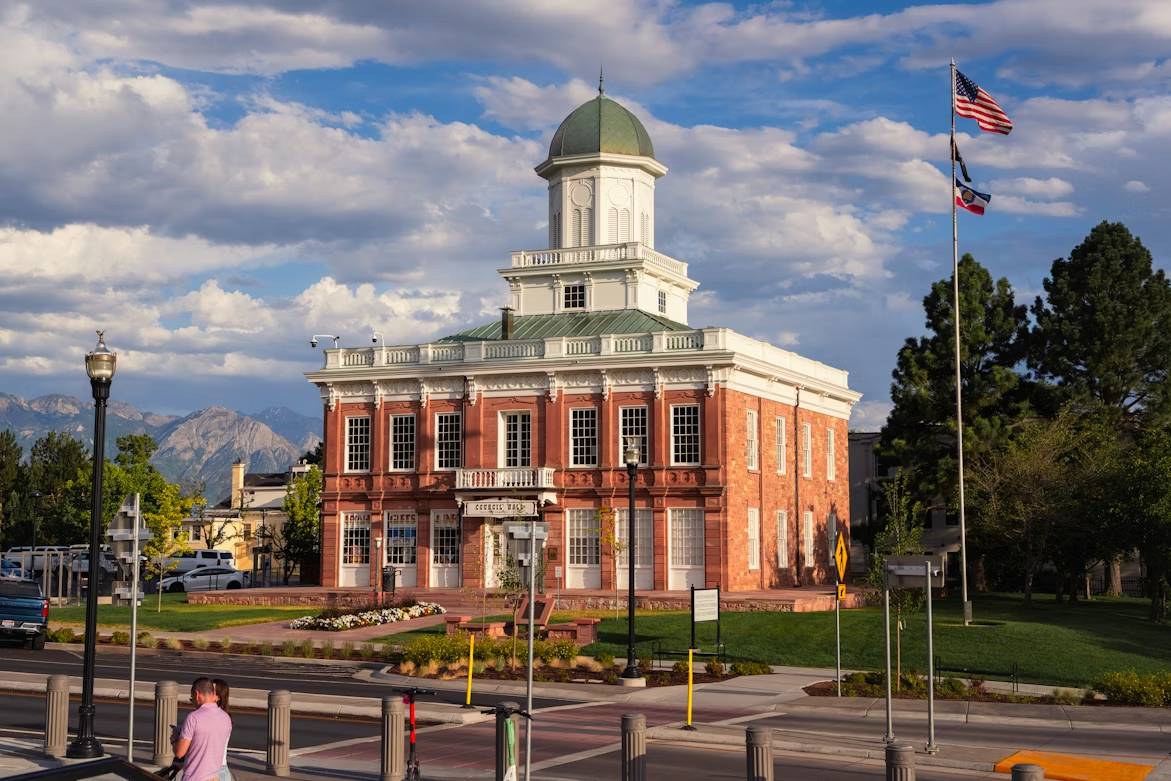
Utah’s historic homes carry a distinct architectural character shaped by regional stone, early craftsmanship, and centuries of environmental exposur
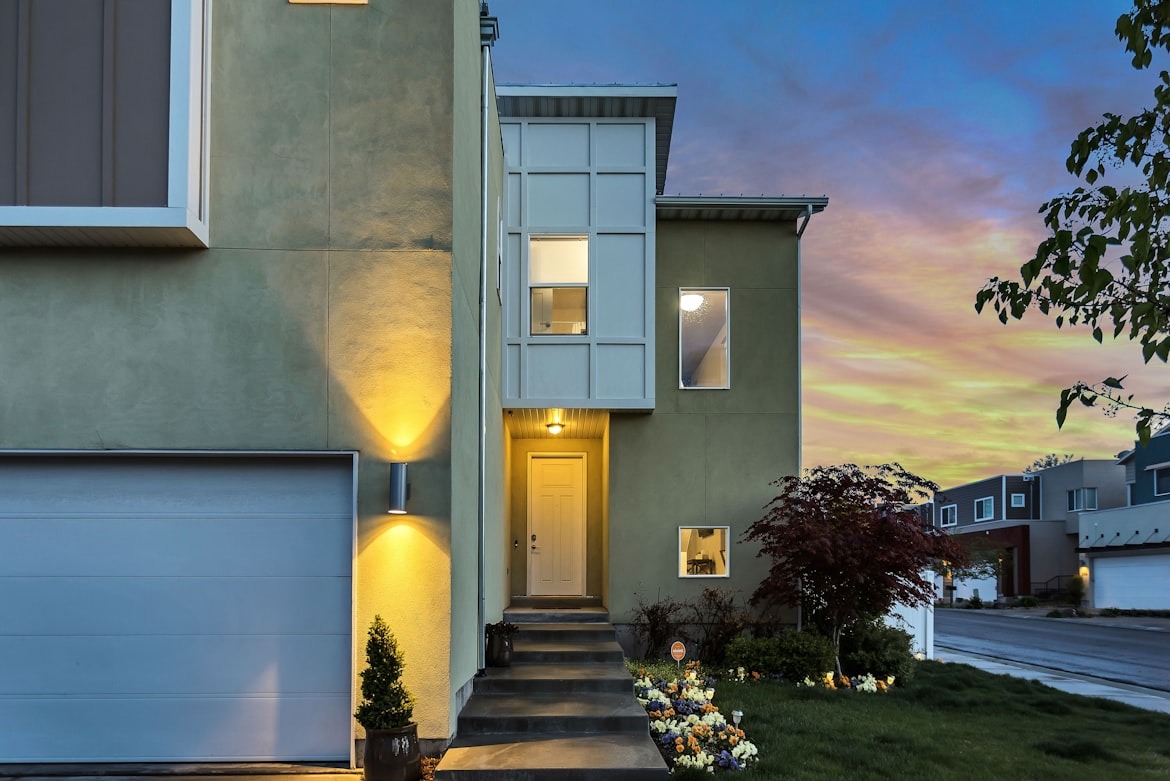
Smart home improvements do more than just lower monthly utility bills. They transform a house into a modern asset that appeals to the current generation of savvy buyers. High efficiency is now a standard expectation rather than a luxury upgrade. When you focus on the right systems, you build immediate equity while creating a more comfortable living environment for your family.

St. George summers are no joke. With temperatures regularly climbing past 105°F from June through September, a working air conditioner isn't a luxury in Southern Utah it's essential.

Utah’s spring housing market is showing signs of strain. Inventory is rising, contract cancellations are elevated, rents are softening, and buyer demand is not keeping pace with the number of homes hitting the market. For anyone asking whether Utah is shifting toward a buyer’s market, the latest signals point in that direction.
Access all your saved properties, searches, notes and more.
Access all your saved properties, searches, notes and more.
Enter your email address and we will send you a link to change your password.
I agree to receive marketing and customer service calls and text messages from Best Utah Real Estate. Consent is not a condition of purchase. Msg/data rates may apply. Msg frequency varies. Reply STOP to unsubscribe. Privacy Policy & Terms of Service.
Listings displayed on this website are provided via IDX. The website owner is not the listing broker or agent unless explicitly stated.

Your trusted MLS search companion