


Restoring Utah’s Historic Homes: A Guide to Authentic Masonry
Utah’s historic homes carry a distinct architectural character shaped by regional stone, early craftsmanship, and centuries of environmental exposur

Choosing a storage solution looks simple until you compare real terms side by side. Prices, access, and conditions vary more than most people expect. A quick, structured comparison helps you match costs to your actual needs and avoid paying for features you will not use.

Two offers with similar base rates can deliver very different values. Access hours, security, loading convenience, and contract rules often shift the true cost over time. Comparing gives you a clearer picture of what you are buying, so you can align features with how you plan to use the space.
It also reduces surprises. A weekend-only access policy or steep late-exit fee can turn a cheap weekly rate into a poor fit. When you compare before you book, you find out where each option shines and where it falls short.
Finally, a comparison builds confidence. Instead of guessing, you can show how each option stacks up on the factors that matter to you. That makes the decision easier to explain to a partner, a team, or your future self.
Travel time is an invisible cost. Choosing a site close to home or regular routes saves fuel, reduces stress, and makes quick trips practical. In southeast Melbourne, proximity matters even more during peak traffic.
The right neighborhood can also lower indirect costs, options like Hallam storage shorten errands, and make midweek visits realistic. That convenience compounds if you access your unit often. Over months, those small wins add up to real value.
Access mechanics matter too. Drive-up bays, wide aisles, lifts, and trolleys save minutes on every visit. If you handle bulky items, the time saved is worth more than a small discount on the weekly rate.
List every unavoidable fee in one place: admin, lock, insurance, card, or deposit.
Estimate travel time and fuel for typical visits per month.
Check price step-ups after an initial period and ask how often rates are reviewed.
Note extra costs like after-hours access or invoice fees.
Watch minimum terms, notice periods, and penalties for early move-out.
Plan for seasonality if your storage needs change during the year.
Clear pricing makes comparisons fair. When providers show the total you will pay, including taxes and unavoidable charges, you can evaluate value rather than decode extras. Upfront clarity also reduces the risk of bill shock.
Public policy is moving in this direction. A national media release in 2024 highlighted efforts to stop unfair trading tactics like hidden fees and subscription traps, reinforcing why transparent offers help consumers compare with confidence. That signal supports your right to ask for complete, comparable quotes.
Use that momentum to set expectations. Request written totals, fee explanations, and a plain-language summary of terms. If a provider cannot deliver clear numbers, treat that as a risk factor.
Contracts turn small details into high costs. Look for clauses on mid-term rate changes, automatic renewals, and minimum notice periods. A one-paragraph summary beside the contract can keep you honest about what you are agreeing to.
Consumer safeguards are evolving. A Treasury consultation paper from late 2024 explored prohibitions on unfair trading practices, emphasizing transparent terms and easy-to-understand offers. While policy develops, your best protection is to insist on clarity before you sign.
If anything is vague, ask for examples. What does a typical rate review look like after 3 months? How is notice calculated on a public holiday? Specific answers today prevent disputes tomorrow.
Needs to change over a year. You might grow inventory, complete a renovation, or combine households. Comparing options helps you find flexible terms so your space can scale up or down without penalties.
Look for easy size swaps and short notice periods. If the price per square meter stays reasonable across sizes, you can right-size without starting a new contract. That protects you from paying for empty space.
Short-term projects benefit from agility. A month-to-month plan with fair notice can beat a cheaper long-term deal if your timeline is uncertain. Flexibility is a cost control tool, not a luxury.
Security is only useful if it is verifiable. Prioritize monitored CCTV, unique access credentials, and unit-level alarms over vague claims. Ask how incidents are logged and how quickly issues are resolved.
Service should be observable, not just promised. Check staff availability, response times to queries, and cleanliness of common areas. A tidy, well-run site usually signals better maintenance of lighting, gates, and lifts.
Document what you see. During a tour, note camera coverage gaps, lighting in corridors, and the condition of doors and latches. Those small checks help you compare real-world safety, not just a brochure.

Comparing storage options is not about chasing the lowest weekly headline. It is about adding up total costs, valuing your time, and weighing security and flexibility that match your life. Do that with a simple framework, and you will spend less energy managing storage and more on the things you actually want to store.

Utah’s historic homes carry a distinct architectural character shaped by regional stone, early craftsmanship, and centuries of environmental exposur
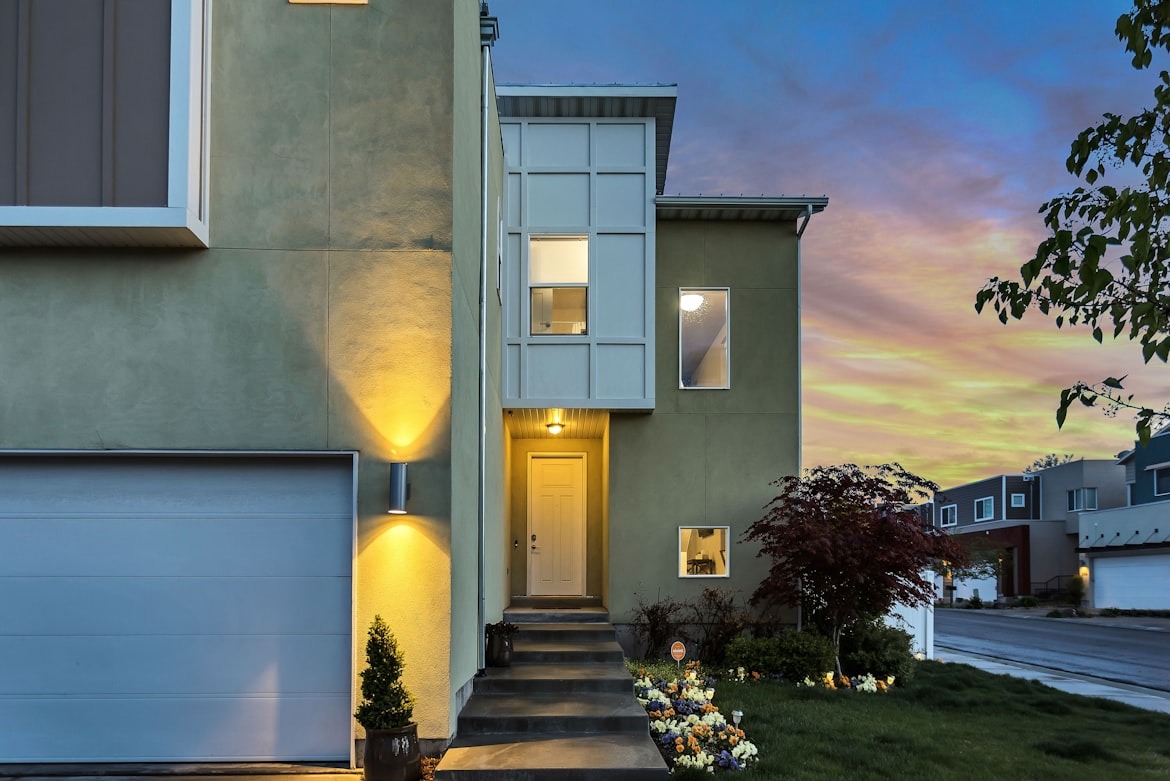
Smart home improvements do more than just lower monthly utility bills. They transform a house into a modern asset that appeals to the current generation of savvy buyers. High efficiency is now a standard expectation rather than a luxury upgrade. When you focus on the right systems, you build immediate equity while creating a more comfortable living environment for your family.

St. George summers are no joke. With temperatures regularly climbing past 105°F from June through September, a working air conditioner isn't a luxury in Southern Utah it's essential.
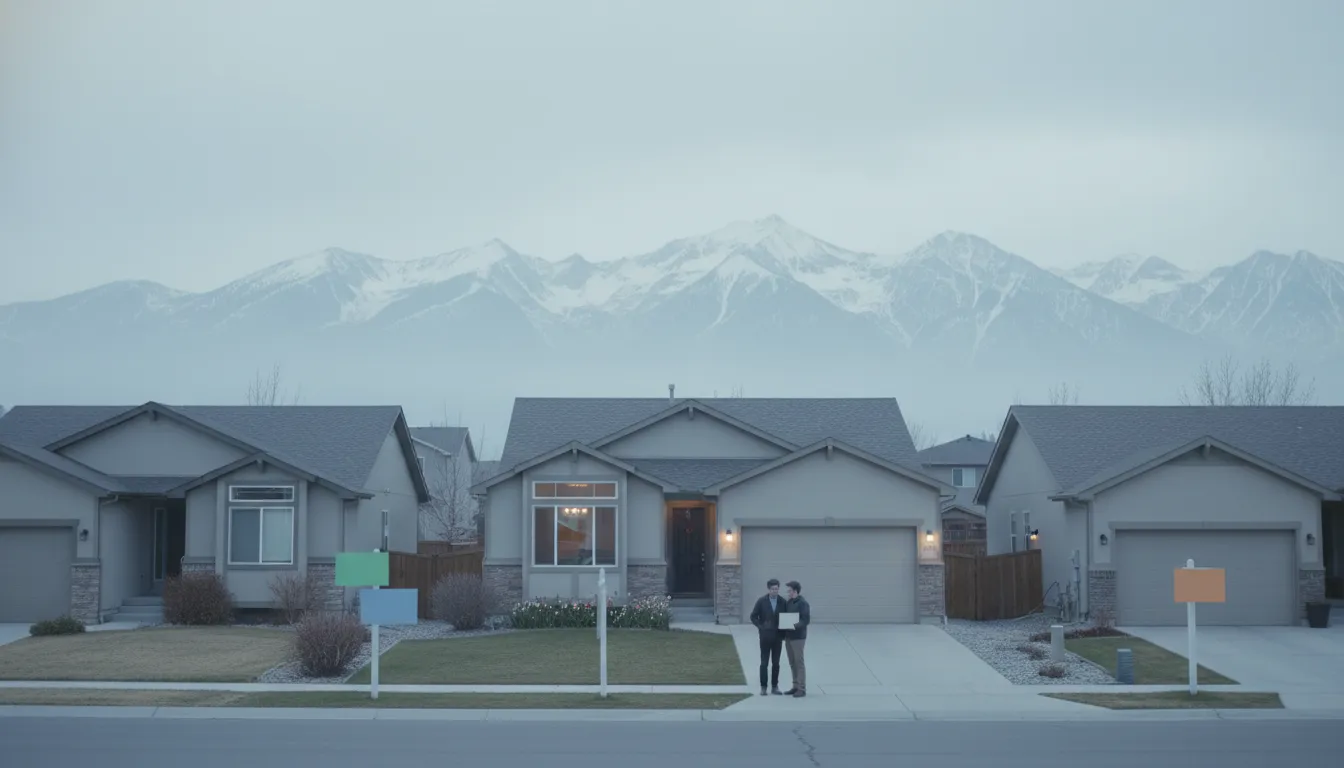
Utah’s spring housing market is showing signs of strain. Inventory is rising, contract cancellations are elevated, rents are softening, and buyer demand is not keeping pace with the number of homes hitting the market. For anyone asking whether Utah is shifting toward a buyer’s market, the latest signals point in that direction.
Access all your saved properties, searches, notes and more.
Access all your saved properties, searches, notes and more.
Enter your email address and we will send you a link to change your password.
I agree to receive marketing and customer service calls and text messages from Best Utah Real Estate. Consent is not a condition of purchase. Msg/data rates may apply. Msg frequency varies. Reply STOP to unsubscribe. Privacy Policy & Terms of Service.
Listings displayed on this website are provided via IDX. The website owner is not the listing broker or agent unless explicitly stated.
Your trusted MLS search companion